
COCO does the Mediterranean: Part Three
The Cyclades and Dodecanese Islands.
Arriving back in Athens late September after a couple of months back home in wintery New Zealand (hiding from the heat and chaos of July and August in the Med), we stepped off the plane being warmly greeted by the lovely late summer, northern hemisphere weather. With the first two legs of our Mediterranean Odyssey out of the way, we were ready for the next part of our 2025 sailing season.
A reminder of our 2025 sailing route so you can see where this sector fits into the season:
- Leg One → Barcelona, Menorca, Sardinia, Sicily, Aeolian Islands, Strait of Messina, to the “Boot” of Italy.
- Leg Two → the Ionian; Corfu, Paxos, Kefalonia, Ithaca, Kalamos, Kastos, south to the Peloponnese Peninsula, back north to the Saronic Islands, then east to Attica (Athens peninsula).
- Leg Three (this sector) → the Cyclades, then further east and before sailing north through the Dodecanese Islands (in the eastern Aegean right across on the Turkish Coast) then back to Attica.
Late summer in Attica has a particular kind of swagger to it. Not the brash, chest-thumping heat of July, but something more refined – like a linen shirt that’s been worn just enough to feel expensive. The air hums, the cicadas soften their tempo, and the light… ah, the light, becomes a conspirator. It says, “you should get out on the ocean – now”.
So naturally, we do. However, we were delayed, as in my infinite wisdom, I decided that while we were back in New Zealand, I would get a halyard lock installed on our mainsail to make it easier to manage sailing short-handed. This is not a simple project, but the boys from RigPro flew over from Palma and did a great job. Until of course the time came to test this new contraption and then invariably, as it does when you want no wind, it blew like fuck for 5 days down from the Northern Aegean so we couldn’t get the sail up to make sure the bloody thing worked properly! As these things go, then of course it was the weekend. No testing. So we spent an unplanned week loitering around the small town of Lavrio (where Olympic Marina is located, about an hour south east of Athens) frequenting the local taverna’s because there was simply nothing else we could do.
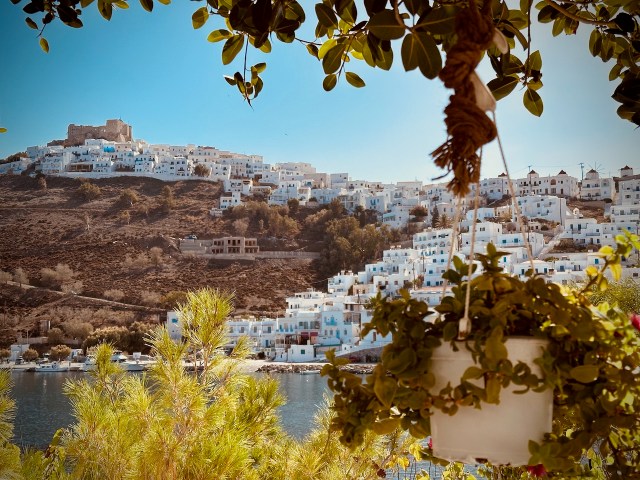
It’s now early October and we finally get to cast the lines off, bound for the Cyclades and Dodecanes Islands. Probably my favourite places in Greece.
Attica → Where It Begins (and where you already regret overpacking)
There is a ritual to departure. It involves coffee that is too strong, a last-minute argument about whether three pairs of shoes are “essential” on a boat (they are not), and the quiet, creeping realization that the Aegean does not care about your itinerary. Why do we always overpack? I simply don’t have an answer to that question.
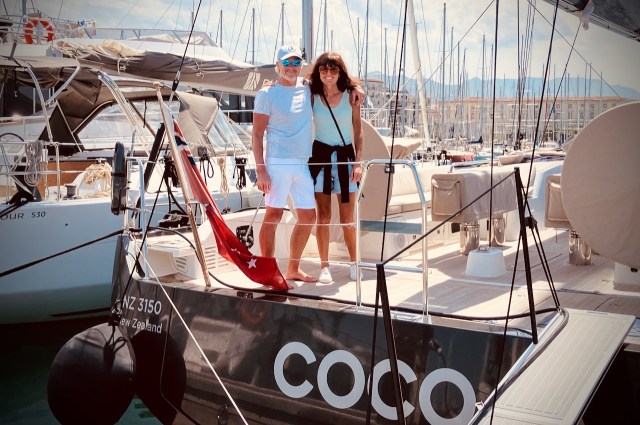
Our vessel; elegant, classy, fast, historically perhaps slightly temperamental as we got a new yacht settled in – but now behaving like a well disciplined puppy, and already judging us – waits patiently. Boats, like certain dinner guests, can smell inexperience. Confidence is key. COCO after all, is a “she”…
We cast off.
Now let’s get on and do a quick tour through these magical islands.
Serifos → The Appetizer
Serifos doesn’t try too hard, which is precisely why it works. It greets you with a kind of shrug, as if to say, “stay, don’t stay, I’ll be fine either way”.
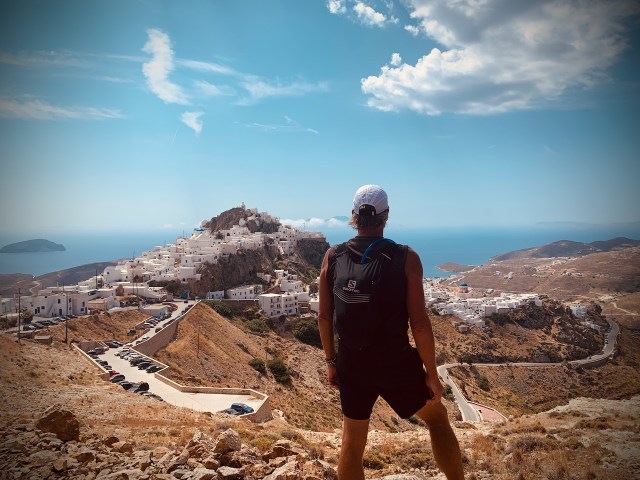
We anchor, swim immediately (because one must), and then wander uphill from the port town towards a village that seems to have been arranged by someone with a poetic understanding of chaos.
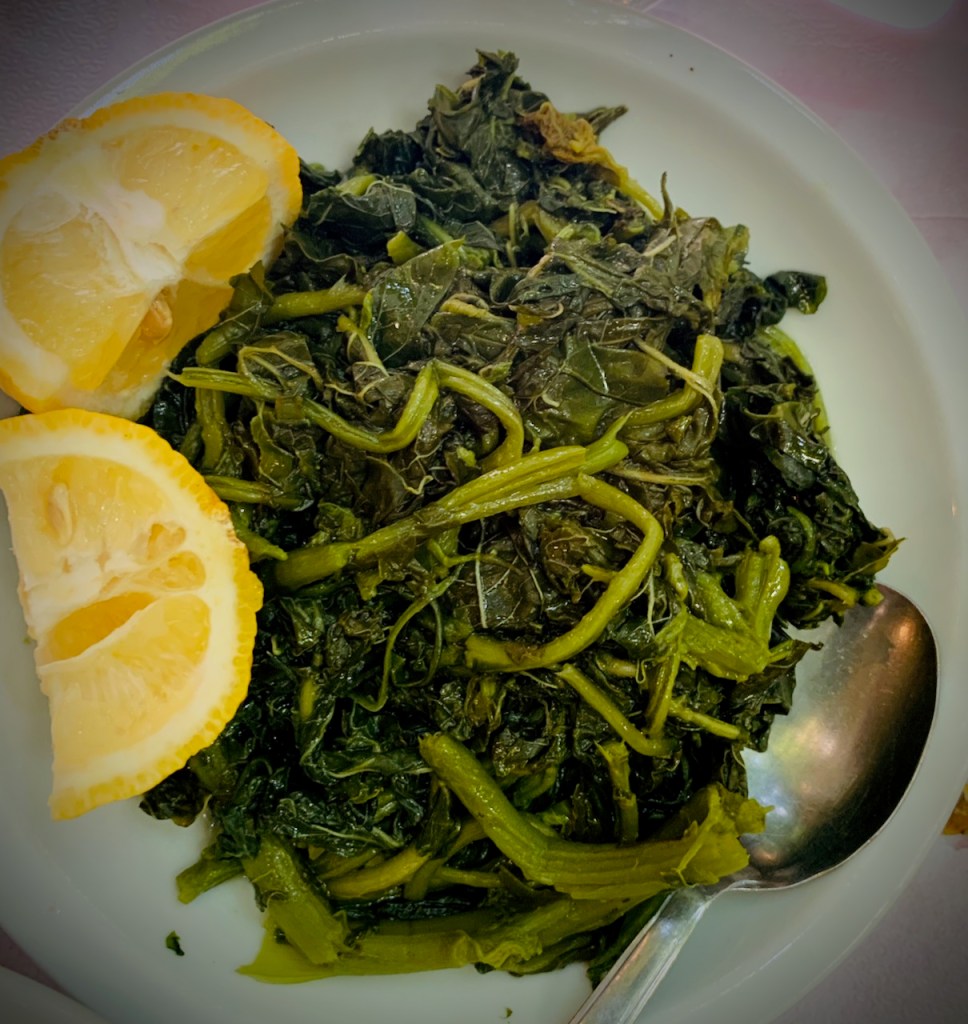
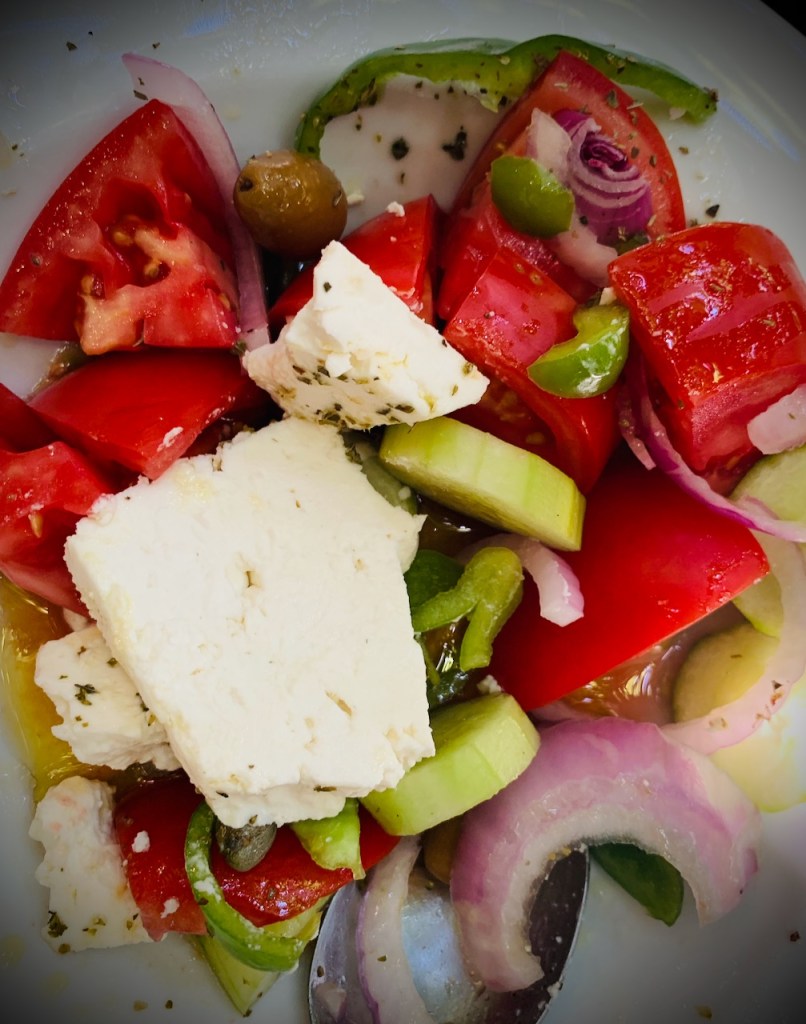
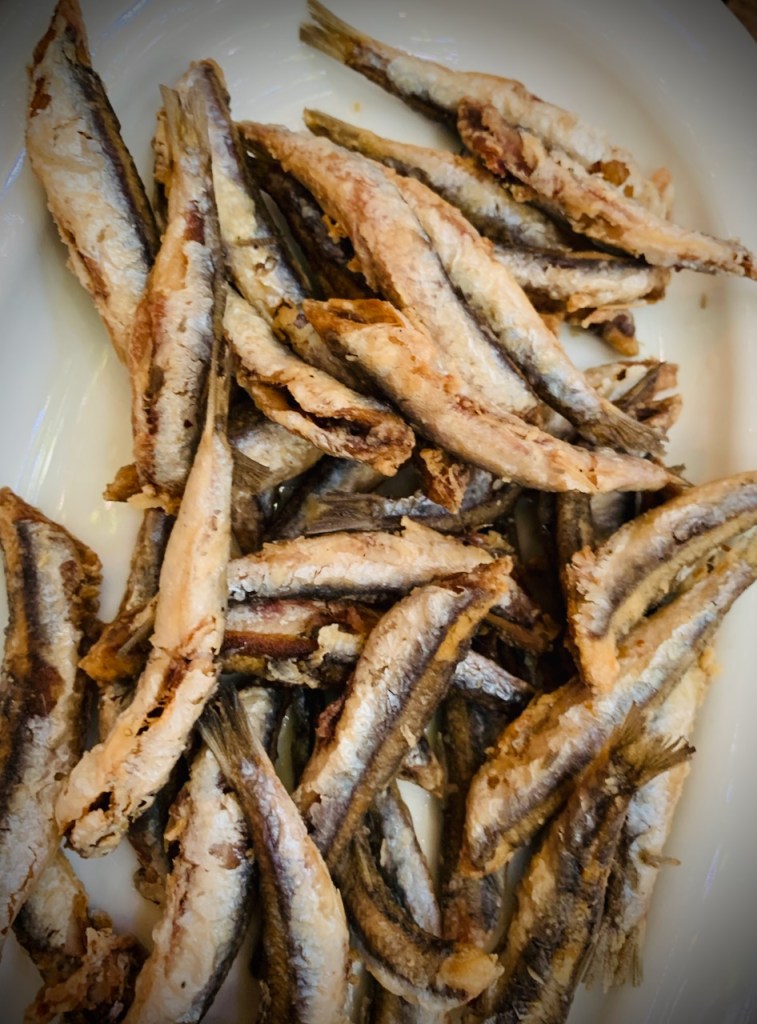
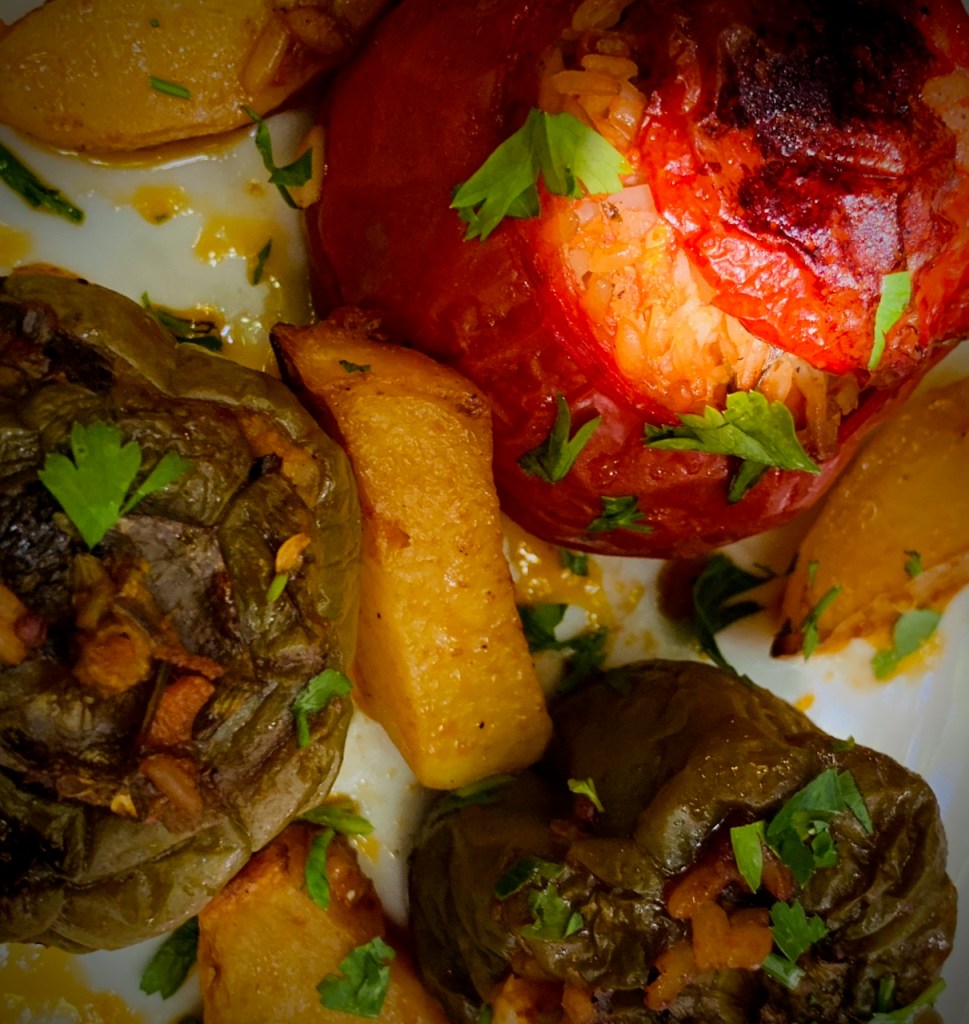
Dinner appears. It always does. Greek salad, grilled fish, wood oven baked vegetables, tomatoes that taste faintly of sunshine and moral superiority, and a carafe of something local that insists you’re more charming than you actually are.
Sifnos → Where You Fall in Love with Food
Sifnos is dangerous.
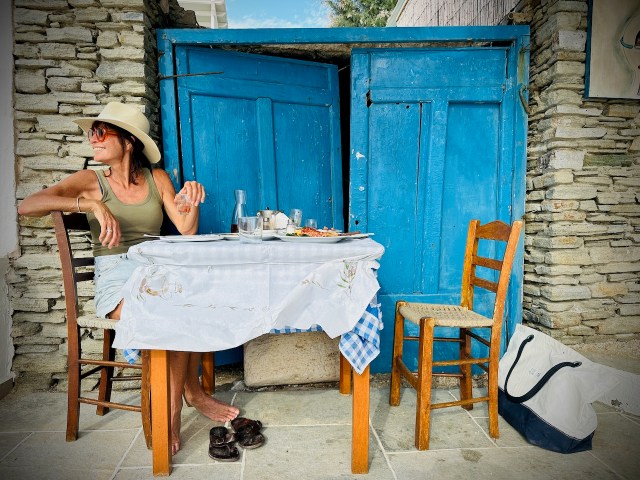
It seduces you with chickpea stews slow cooked overnight by a wood oven in clay pots, and pastries that make you question your previous life choices (I would search endlessly for the amazing spinach and feta pies). You begin to suspect that the entire island exists solely to feed you.
By the third meal, you are no longer eating – you are participating in a cultural experience. This is how you justify the second carafe of wine.
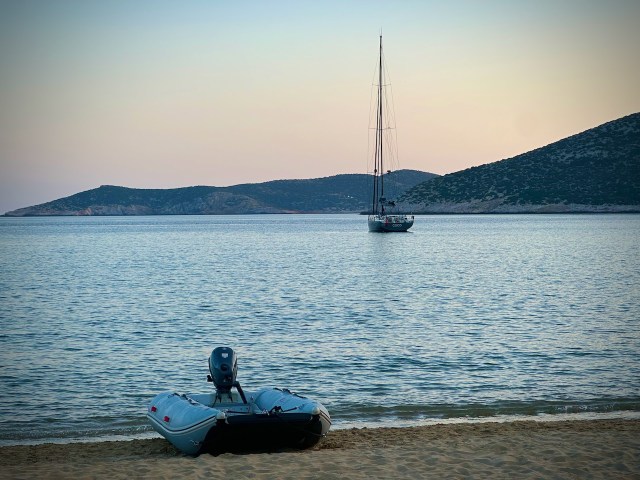
The boat waits. Patient. Judging.
I love Serifo and Sifnos. They are beautiful.
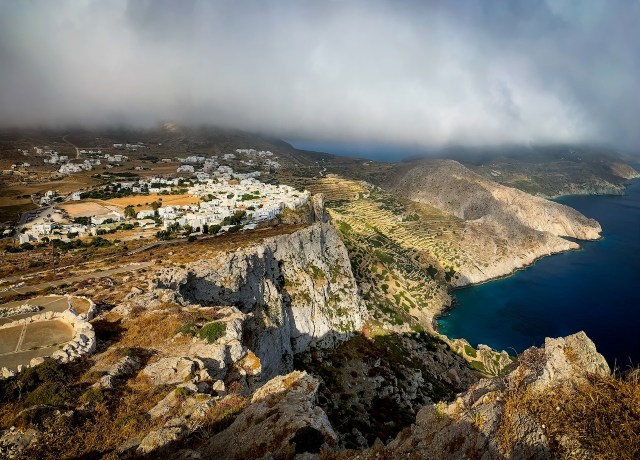
Folegandros → Drama, but Make It Chic
If Serifos is casual and Sifnos is indulgent, Folegandros is theatrical.
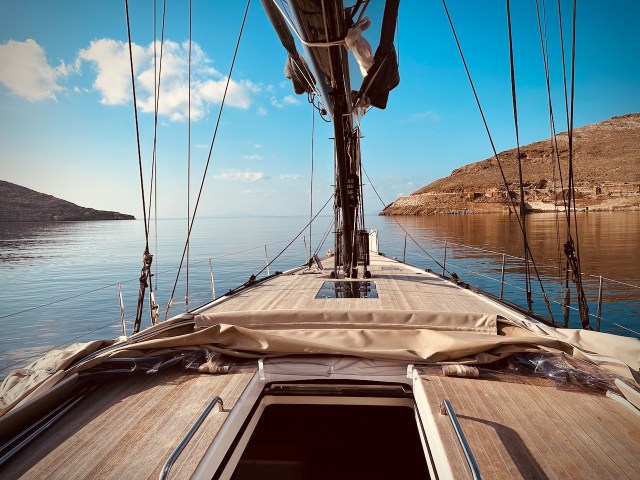
Cliffs rise like declarations. The town perches as if it’s been placed there by someone with a flair for entrances. You walk narrow paths at dusk, the wind gently rearranging your hair into something that feels intentional.
You say things like, “We should come here every year,” which is the maritime equivalent of falling in love on holiday.
Santorini → The Diva
Ah, Santorini.
You approach it the way one approaches a very famous person – equal parts awe and mild exhaustion.
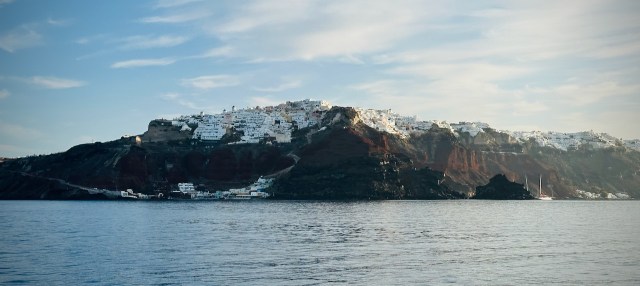
It is stunning, of course. Ridiculously so. The caldera unfolds like a perfectly staged photograph, and for a moment, you forget that everyone else has also noticed.
We stay just long enough to admire it, sip something cold, and make a swift, elegant exit before the crowds begin to feel like a conference.
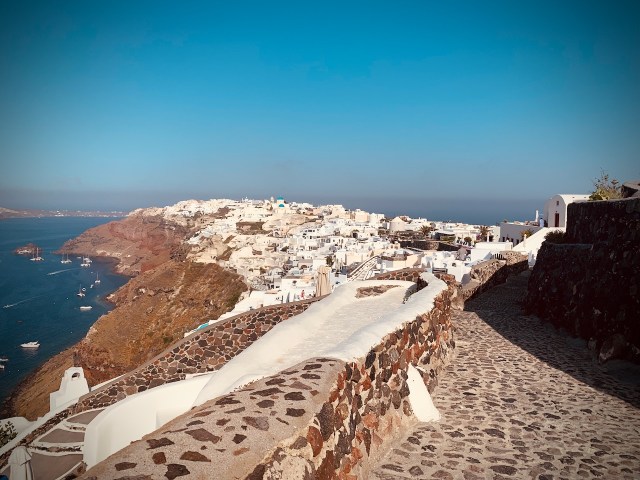
The one downside of Santorini is people, all the others that want to see this beautiful island. Cruise ships, up to 20,000 people a day leave the safety of the ship’s buffet to invade the peace and tranquillity.
October was almost pleasant, the crowds had retreated back to their homes to relive their moment on Instagram.
Astypalaia → The Unexpected Delight
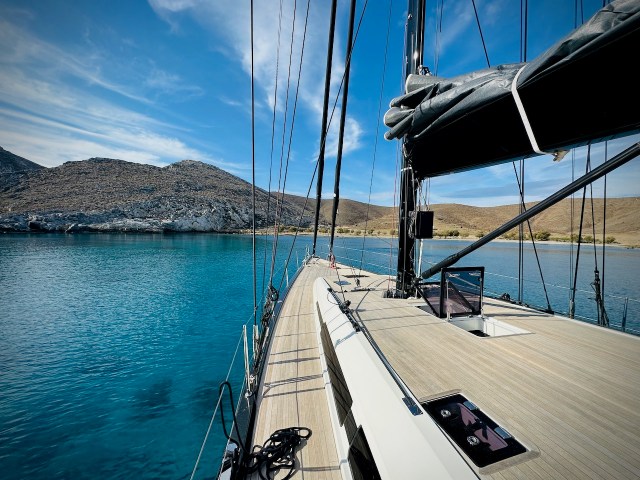
Astypalaia is the kind of place you didn’t plan to adore.
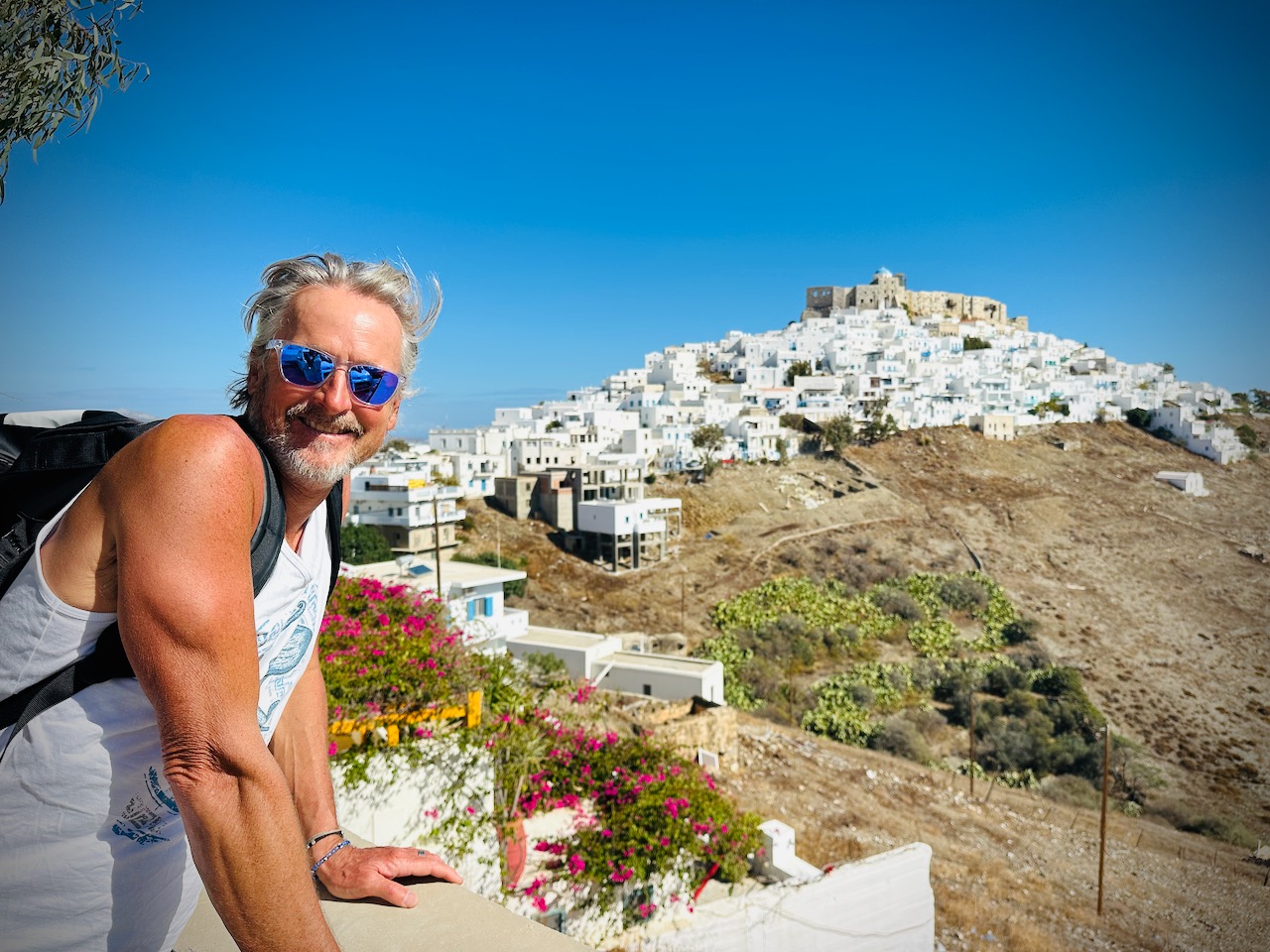
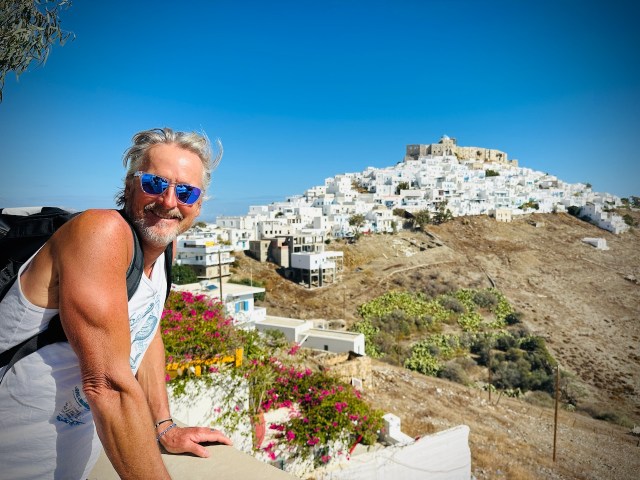
It sits there, butterfly-shaped, quietly confident, as if it knows a secret the others don’t. The harbour is gentle, the nights are calm, and suddenly the trip shifts from “tour” to “experience”.
You sleep better here. The kind of sleep where you wake up not entirely sure what day it is, and you decide that’s perfectly fine.
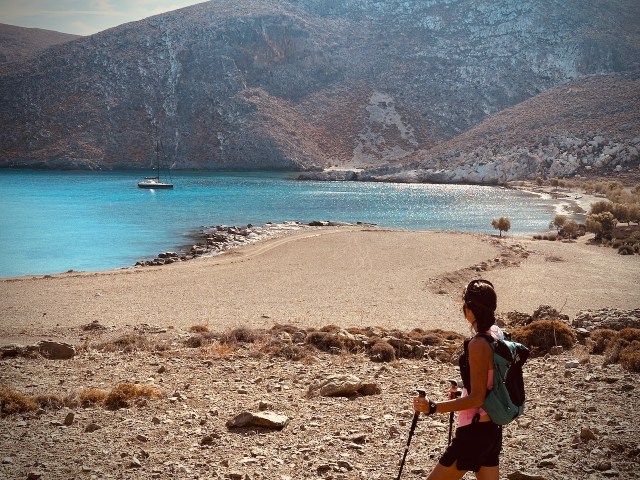
Another one of my favourites. It’s real, has authenticity. It’s not so crowded…
Kos & Pserimos → The Balance
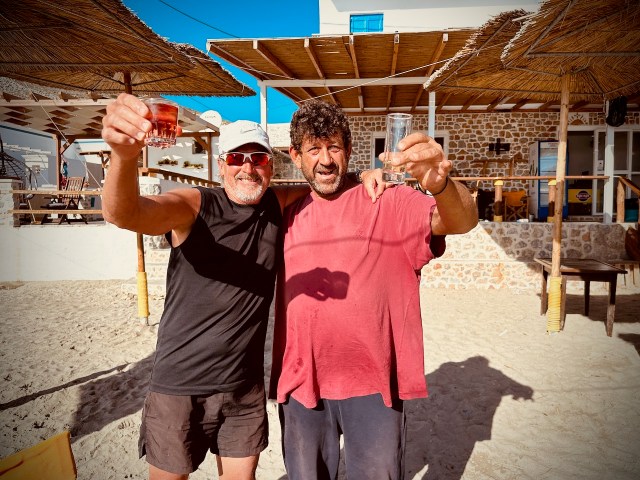
Kos brings a touch of civilisation – bustling, lively, just enough chaos to remind you that the world still exists beyond your floating bubble. Turkey is close by. On a ferry to Bodrum for a Turkish Bath and lunch. Amazing markets.
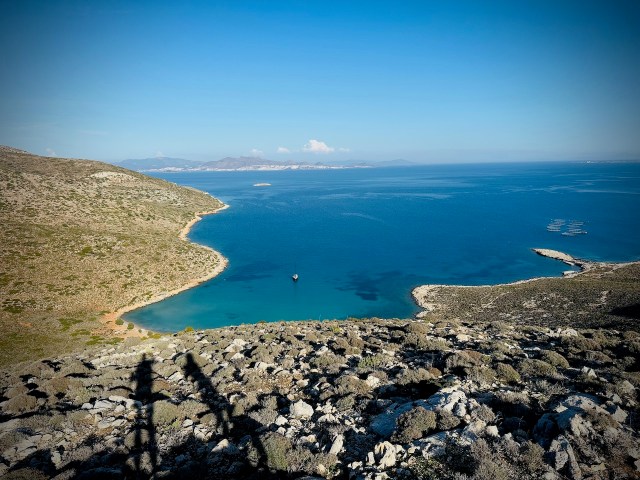
Pserimos, just north from Kos, by contrast, is almost comically peaceful. You drop anchor and feel as though you’ve accidentally discovered a loophole in reality.
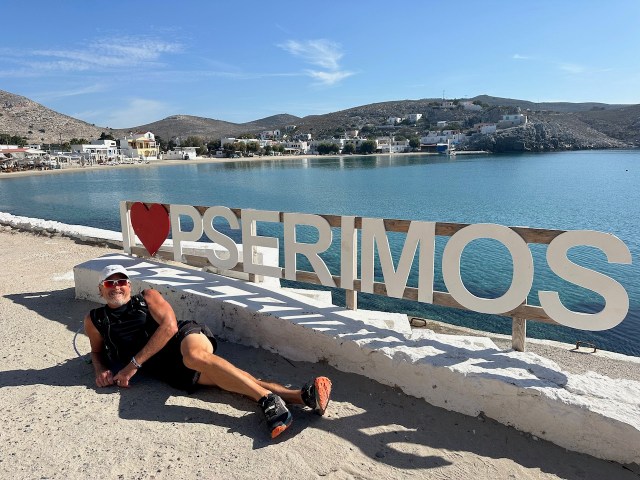
Lunch stretches. Time bends. No one checks their phone. It’s beautiful, feels remote, lacks the bustle of tourists.
This is how it should be, you think. This is how it never is.
Traditional Greek Octopus Stifado
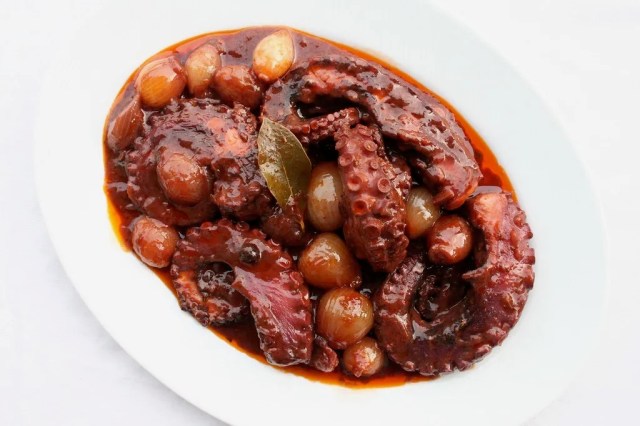
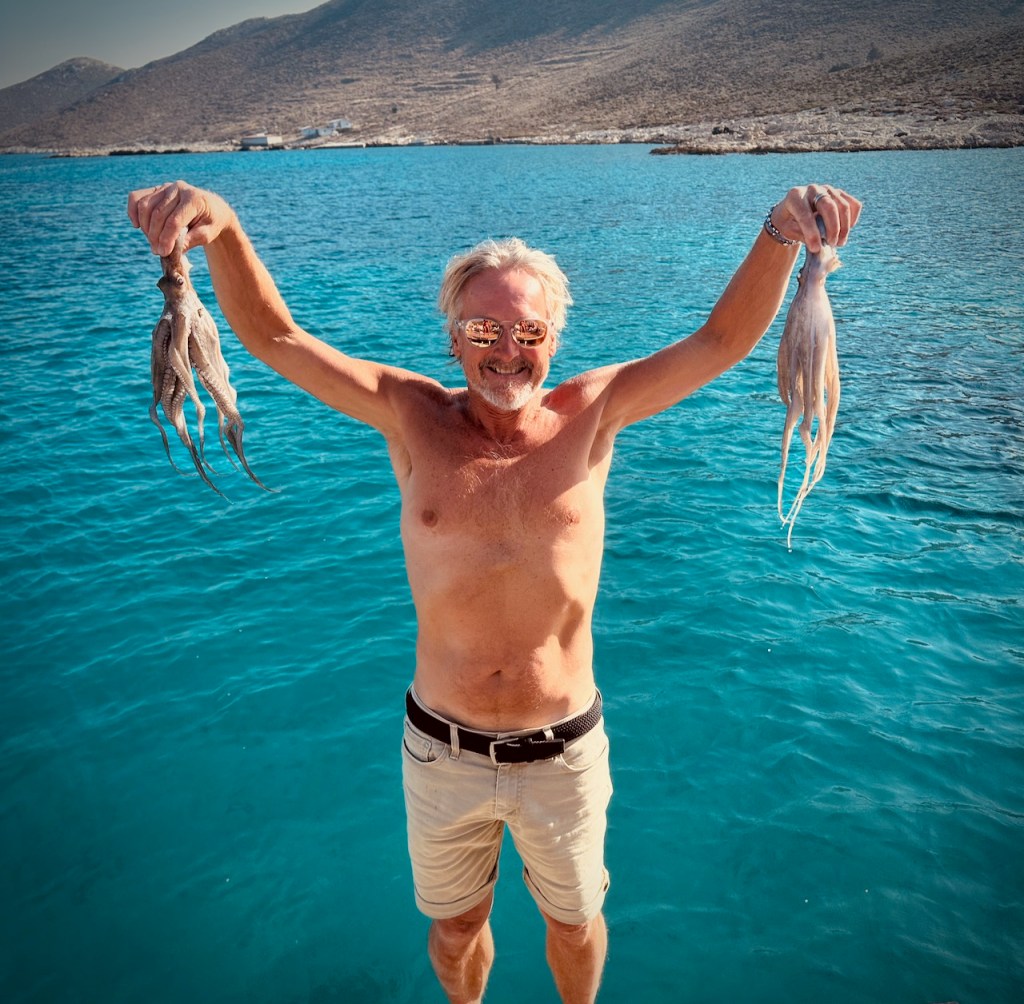
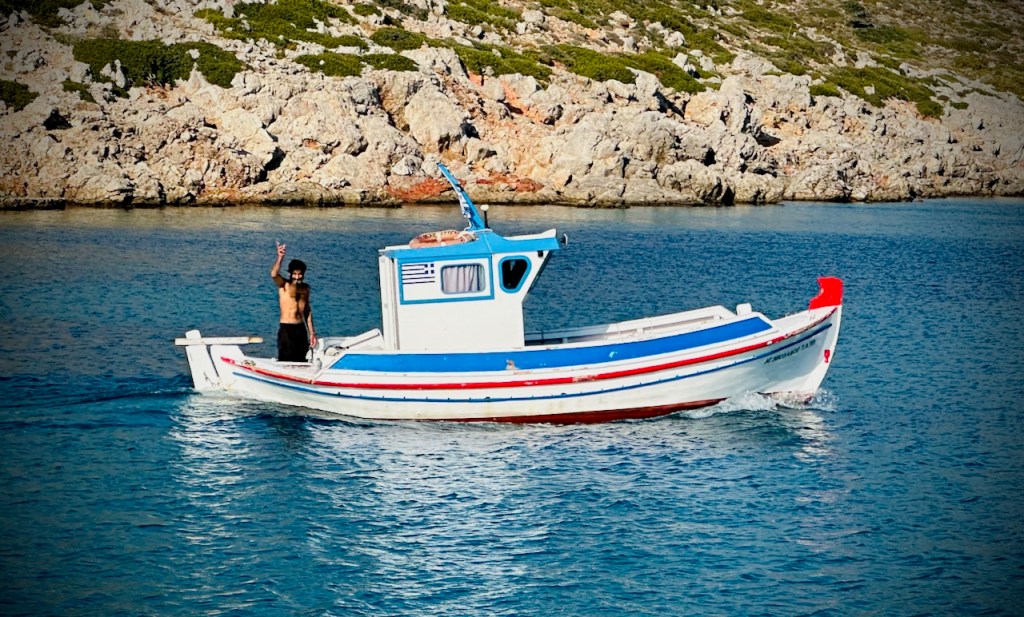
I’d seen this octopus dish on many a taverna menu. But never quite built up the courage to try it (always being tempted by the simpler charcoal grilled version). But when lying peacefully at anchor in a beautiful, lonely bay at the back of Pserimos and seeing a local diving around the fringes of the bay for octopus; I simply couldn’t help myself. Over to his wee fishing boat I zoomed in our trusty tender, and after some complicated sign language bartering (he didn’t speak a word of English), I manged to squeeze two octopus out of his possession for a ridiculously small amount of money.
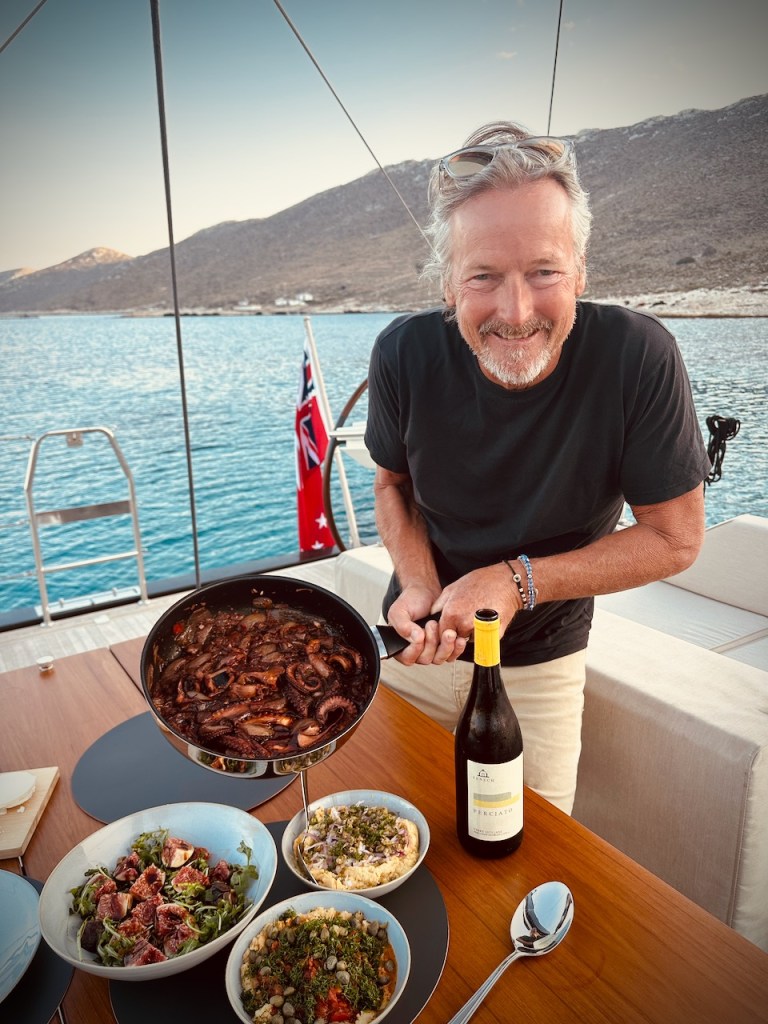
To prepare a traditional Greek octopus Stifado, the octopus is first lightly boiled, then braised with wine, a shitload of onions, tomato, aromatic herbs and spices creating a delightful stew. Let it simmer to allow its flavours to transform into something much much more than mere stewed octopus…
You will need… The ingredients for the Stifado
- 1 large, or two smaller octopus (cleaned and tenderised), around 1 kg.
- 2 tbsps red wine vinegar.
- 1 kg ideally shallots, or baby onions if you can’t find shallots, peeled.
- 1 red onion, grated.
- 2 cloves of garlic, chopped.
- 1/3 of a cup olive oil.
- 1 glass red wine (or a bit more, depends on how much of the bottle you’ve already hoovered)
- 2 tbsps tomato paste.
- 2 bay leaves.
You will need… To cook the octopus
Place the octopus in a large pot, pour in 1 cup of water and the vinegar. Boil the octopus for about 20 minutes. Remove the octopus from the pan, chop into pieces and place in a bowl. Reserve 1 cup of the broth (the water where the octopus just boiled in).
You will need… To make the Stifado
While the pussy is cooking, peel the small onions or shallots (honestly, if you can’t find either small onions or shallots, use bigger red onions and cut them in half – it works fine).
In a pan, add the oil and shallots (whole) and sauté on a medium heat for about 10 minutes or until softened. Turn the heat up a bit, add the octopus and sauté. Add the tomato paste, grated onion and garlic and sauté for 1 more minute.
Pour in the red wine, 1 cup of the reserved water from when you cooked the octopus, the bay leaves, and season with salt and pepper. Bring to a boil, turn the heat down and let the octopus Stifado simmer for about 30-40 minutes, or until the octopus is tender and the sauce has thickened. If the sauce needs some more thickening, then let it cook for a bit longer (uncovered).
You will need… To eat the octopus
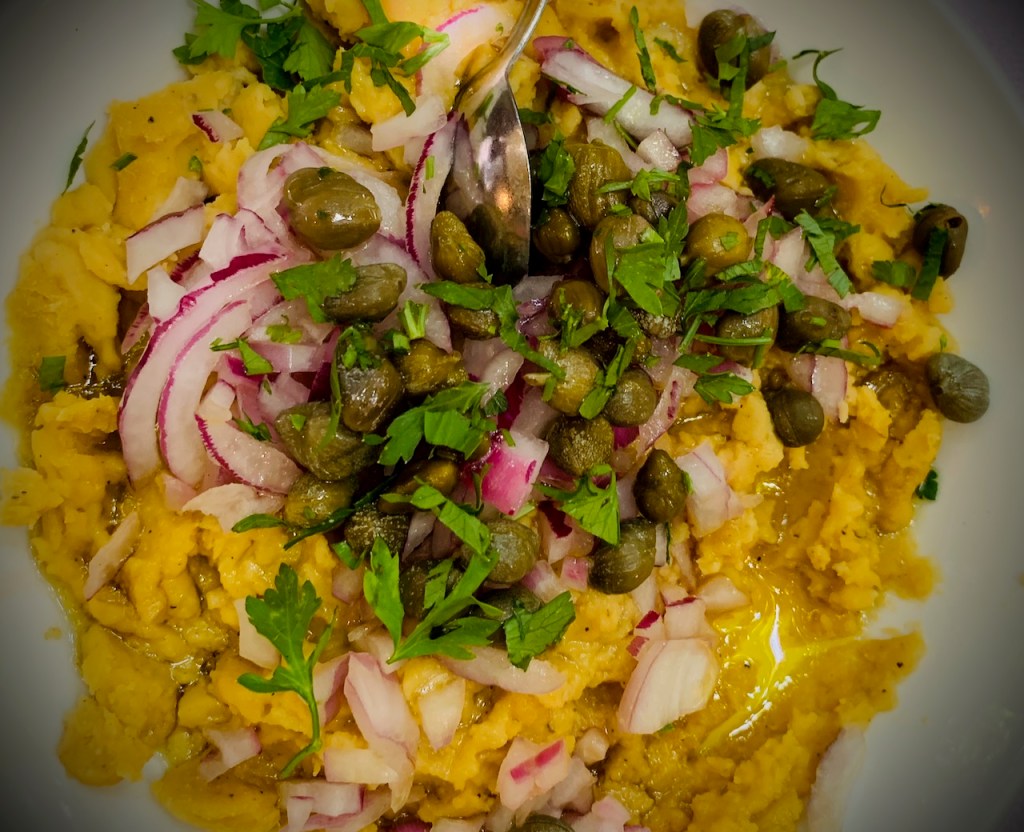
Serve this delicious Greek octopus Stifado straight out of the pan with a traditional Greek Fava, some lovely crusty Greek bread and enjoy over a nice glass of cheap Greek supermarket wine!
My fingers can’t find the words to describe how good this dish is.
Kalymnos → Strength and Sponge Divers
Kalymnos has texture. It’s not polished, not curated – it’s real.
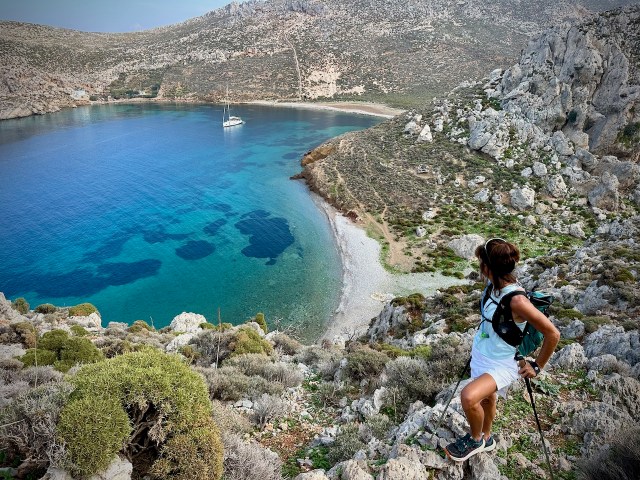
You hear stories of sponge divers and resilience, of a place that works for its beauty rather than simply presenting it. The cliffs are dramatic, but not performative. There’s grit here, and it suits you.
Also, by now, you’ve become suspiciously good at stepping on and off the boat. Growth.
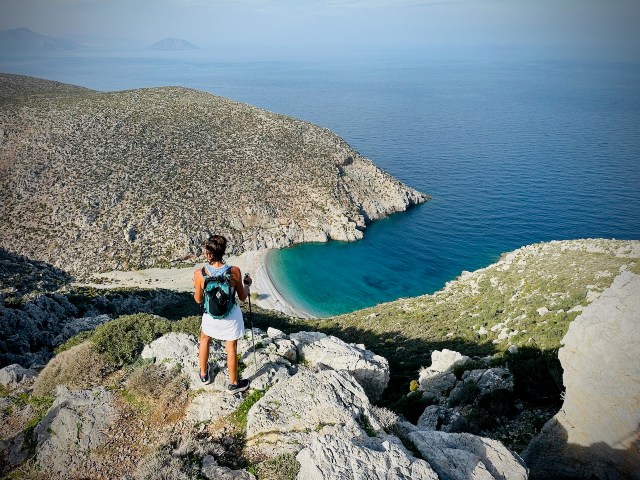
People who have lost their sanity come here to climb the shear cliffs. Crazy. The hiking is fantastic.
Leros & Lipsi → The Slow Fade
Leros feels like a place where time took a break and forgot to restart.
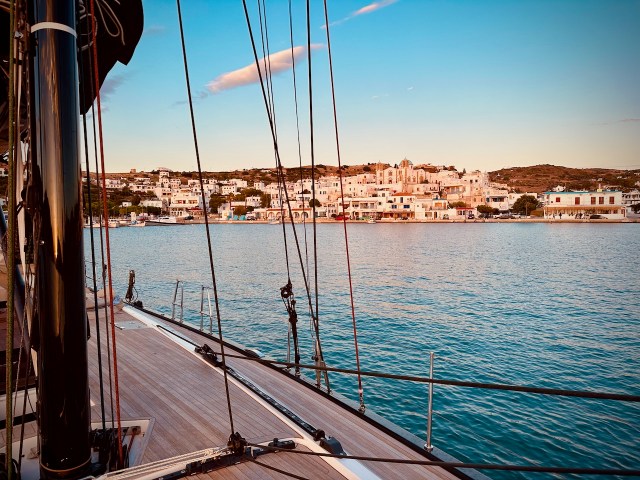
Lipsi is even quieter, if that’s possible. You begin to suspect that the entire island population may be in on a joke you haven’t quite understood yet.
Dinner is simple. Perfectly so. You talk less, listen more, and realize that somewhere along the way, the trip has softened you. And there are a lot of goats, and very very good goats cheese…
Samos → A Return to Scale
Samos reintroduces a certain grandeur – lush, expansive, generous.
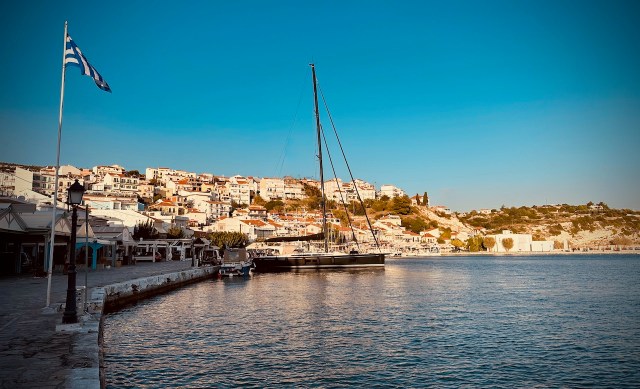
You walk vineyards, sip something local again (you’ve stopped asking what it is), and feel the subtle shift of the season. The light is lower now. The evenings stretch longer.
Autumn is whispering. It’s the end of November.
Cape Sounion → The Finale
And then, as all good stories do, it circles back.
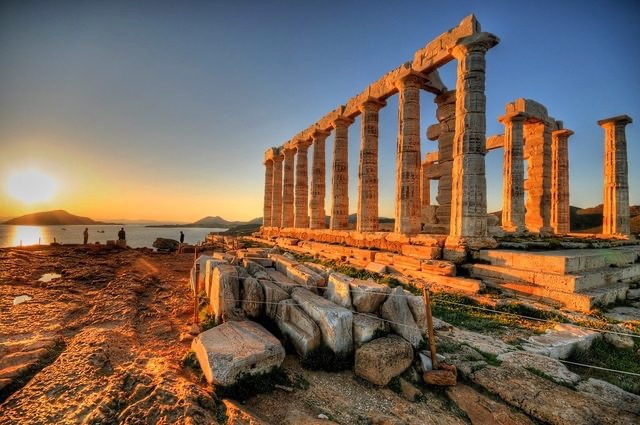
The bay of Sounion at the end of the Attica Peninsular greets you with something close to reverence. The Temple of Poseidon stands there, unapologetically ancient, as if it has been waiting specifically for your slightly sunburnt, overfed self to arrive.
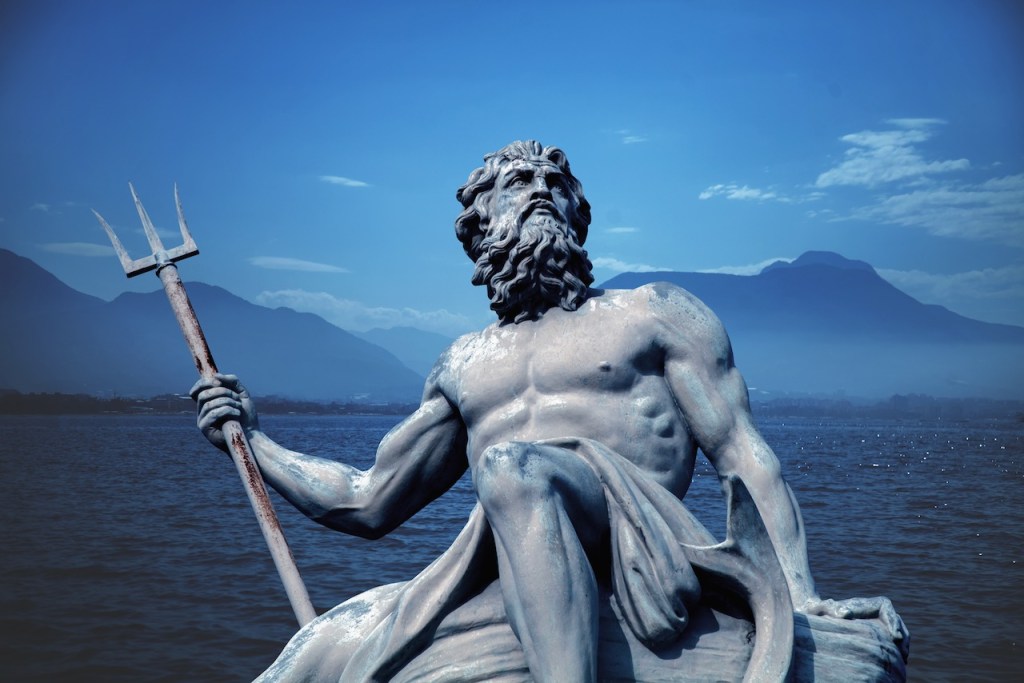
You anchor. You swim one last time. You pray to Poseidon with thanks for keeping you safe on yet another journey.
At sunset, the columns glow in that impossible Greek light – the kind that makes everything feel both fleeting and eternal.
You think, briefly, about time. About journeys. About whether you packed too many shoes. (We did), and all the amazing Greek food we’ve stuffed ourselves with…
Return to Lavrio → Full Circle, Slightly Saltier
We sail back into Lavrio on the Attica Peninsular with skin that’s tighter, hair that’s wilder, and a faint, lingering sense that the world might be better lived at eight knots.
The peninsular greets you exactly as you left it – busy, warm, alive.
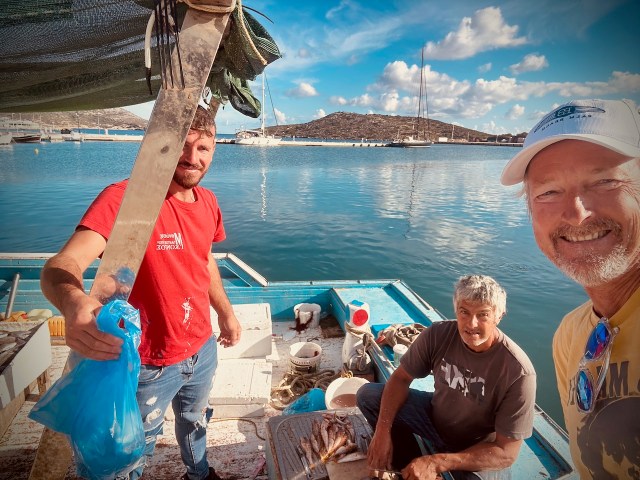
But you’re different now. You’ve learned things. Important things. How to order confidently in Greek without fully understanding the response. How to haggle with the local fishermen. That supermarket cask wine is fantastic.
And most crucially… That boats, much like life, are best enjoyed with good company, excellent food, and a healthy willingness to forgive their occasional, inexplicable moods.
And just like that, it’s over.
Until, of course, it isn’t.
On other thing I have learnt on this trip while sailing from one side of the Med to the other, is that “Sailing” and “The Med” is an oxymoron. Anyone that tells you otherwise is lying. Our experience of sailing historically, has been crossing the Atlantic, or sailing from Panama to New Zealand. That’s sailing. The Med? The wind comes in three forms here; no wind, too much wind, or it’s on the nose. So the actual amount of real sailing we did in 5 months during our Mediterranean Odyssey was pathetic. We put a lot of hours on the engine…
If we plan on staying in the Med much longer, maybe it’s time for a motorboat!
All this said, sailing around the Cyclades and Dodecanese in October and November is epic. No other boats (well, very few), deserted bays and ports. Amazing anchorages. Settled warm weather. Win.
I reckon we’ve got maybe one more Golden Year before the next round of mechanical tantrums and surprise invoices. So, we’ll enjoy it while it lasts. Because boats and kids have one thing in common; they grow up fast. And one day they sail off into the sunset…. Leaving you on the dock wondering where the hell the time went.
And just like that, 4,000 km of sailing over 5 months, three chapters and 10,000 words later, I’m done. My fingers are tired. COCO is out of the water for the European winter, having a well deserved rest after a busy summer. Over and Out.
If you haven’t read the first two parts of our Mediterranean Odyssey:
 Sailing Yacht Coco
Pingback: COCO does the Mediterranean: Part Two | Sailing Yacht Coco
Pingback: COCO does the Mediterranean: Part One | Sailing Yacht Coco
Thanks for the wonderful read Alex, I’ve always enjoyed reading about your sailing adventures and I look forward to the next edition.
LikeLike
Hello Dennis! Lovely to hear from you. It’s been a while… I hope all is well with you. Thanks for taking the time to read our story! All the best.
LikeLike